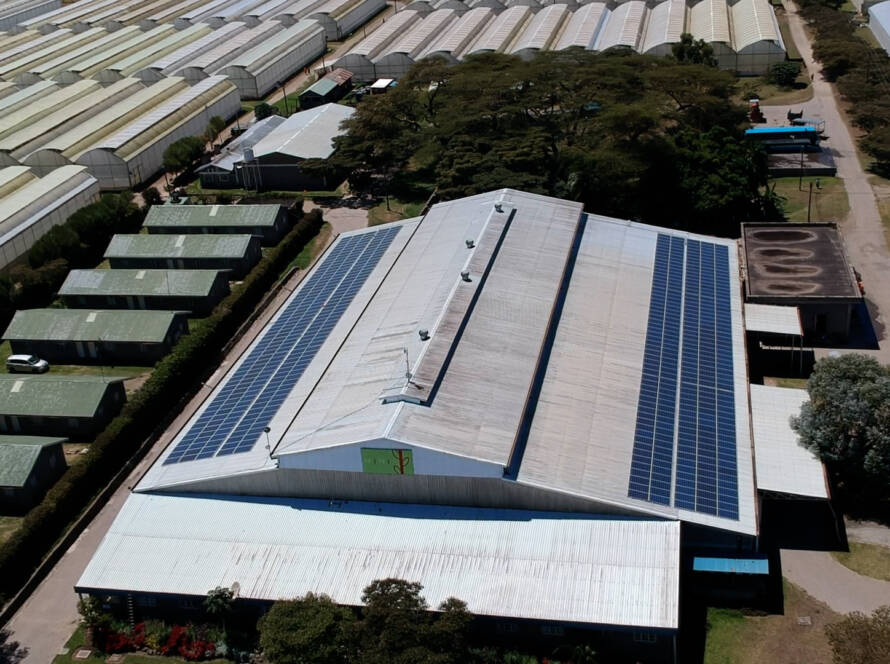
Tl,dr: When deciding whether it is worth it to install a private solar PV system, business owners must not only look at grid electricity prices, but also at the savings they can make by reducing downtime, avoiding outages, and eliminating voltage flicker. Read on to find out more about the true cost of grid-tied electricity.
It often starts with silence. The production floor grinds to a halt. Machines power down. Production stops. Every factory manager in East Africa knows what comes next.
Add up lost production hours, equipment restart costs, spoiled stock, idle labour, and generator fuel, and the true cost of grid unreliability climbs far higher than most owners expect.
Hidden Cost of Downtime
Power reliability is not just an electrical infrastructure issue. For manufacturers, it is a direct operational and financial risk.
According to the Energy and Petroleum Regulatory Authority (EPRA) Energy & Petroleum Statistics Report FY 2024/25, Kenyan businesses experienced an average of 3.57 power outages per month — more than double EPRA’s own benchmark of 1.63. Those interruptions translated into 9.42 hours of lost power per customer each month, nearly triple the regulator’s target of 3.25 hours.
The cumulative economic toll is significant: the Kenya Association of Manufacturers (KAM) has warned that frequent power outages could cost the economy as much as US$2 billion annually in lost productivity, with the manufacturing sector alone losing an estimated KES 119.4 million for every hour of a nationwide blackout.
(Source: https://streamlinefeed.co.ke/news/thousands-left-in-dark-as-kenya-power-crisis-deepens.)
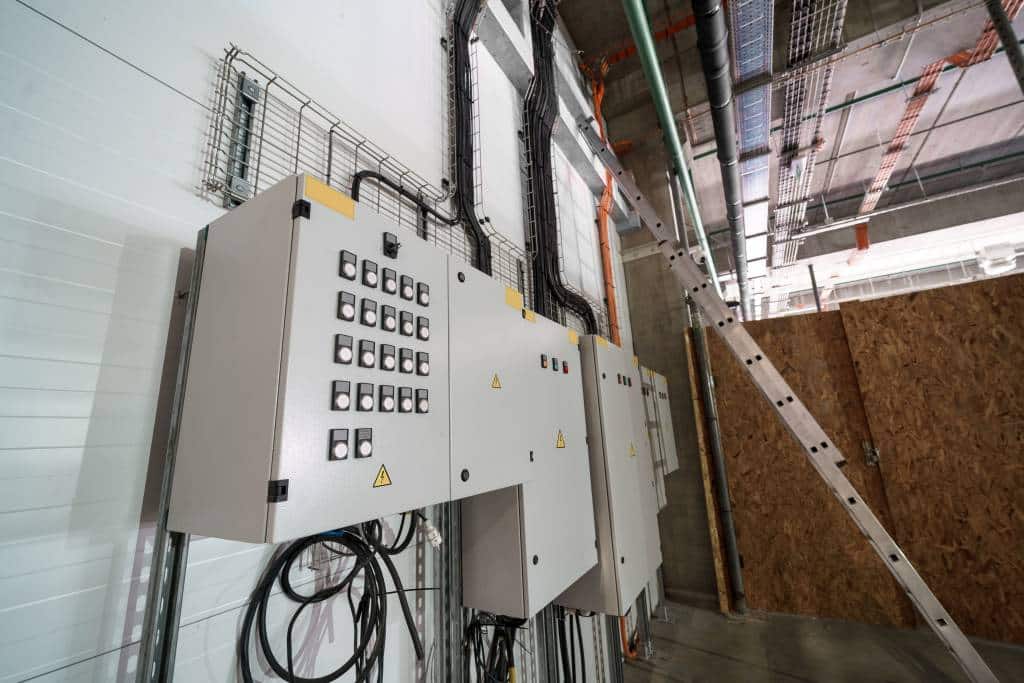
The Actual Cost of a Power Outage
Most manufacturers track their electricity bills closely. Far fewer have calculated the full cost of an outage. An outage not only stops machines. It disrupts production plans, delays deliveries, increases operating costs, and exposes the business to risks that are often far greater than the downtime itself.
• Lost production hours: When a line goes down for three hours, the business not only loses three hours of output. It may miss delivery windows, delay customer orders, and trigger penalties.
• Equipment restarts: Industrial machinery often requires controlled restarts after a power cut. Repeated outages, surges, and voltage fluctuations can shorten equipment life and lead to costly repairs or replacements.
• Spoiled stock: For food processors, cold chain operators, and other temperature-sensitive businesses, even a short electricity outage can cause product losses that far exceed the value of lost production time.
• Idle labour and generator costs: Workers still need to be paid during downtime, while diesel backup power continues to get more expensive. The business pays twice: once for labour that cannot produce, and again for emergency power.
• Regulatory exposure: In sectors such as food and pharmaceuticals, a temperature excursion can compromise an entire batch. That can lead to recalls, rejected exports, damaged customer trust, and losses far greater than the outage itself.
Calculate your Own Losses
A simple exercise can provide a clearer picture of what outages are costing your business each year.
| Your monthly outage cost exposure — a simple framework Step 1: Direct production loss = Hourly production value × average monthly outage hours Step 2: Add idle labor costs + restart costs + spoilage + generator fuel. Step 3: Multiply by 12 for your annual exposure |
Many businesses are surprised by the result. For a mid-sized food processor, annual outage-related costs can easily reach millions of shillings. At that point, the conversation changes. The question is no longer whether outages are expensive—it is whether continuing to absorb those costs makes financial sense.
Reframing Solar: From Cost to Insurance
The financial case for solar is well established. Commercial and industrial customers can significantly reduce their electricity costs while improving energy price certainty over the long term. For manufacturers with high outage exposure, however, the more important benefit may be resilience. A solar-plus-battery system eliminates the cost category most factories have never properly measured: the cost of power simply not being there.
A diesel generator provides backup power, but it remains dependent on fuel, maintenance, and operating conditions. Grid-only dependence leaves businesses exposed to every interruption. By contrast, a solar-plus-battery system can generate power during the day, store excess energy for later use, and provide backup during outages—all with predictable operating costs.
Viewed this way, solar is not simply an energy-saving investment. It is a form of operational insurance: protection against downtime, production losses, spoilage, and other costs associated with unreliable power.
Once manufacturers quantify the true cost of outages, the conversation changes. The question is no longer whether unreliable power is expensive, but whether continuing to absorb those costs is the best use of capital.
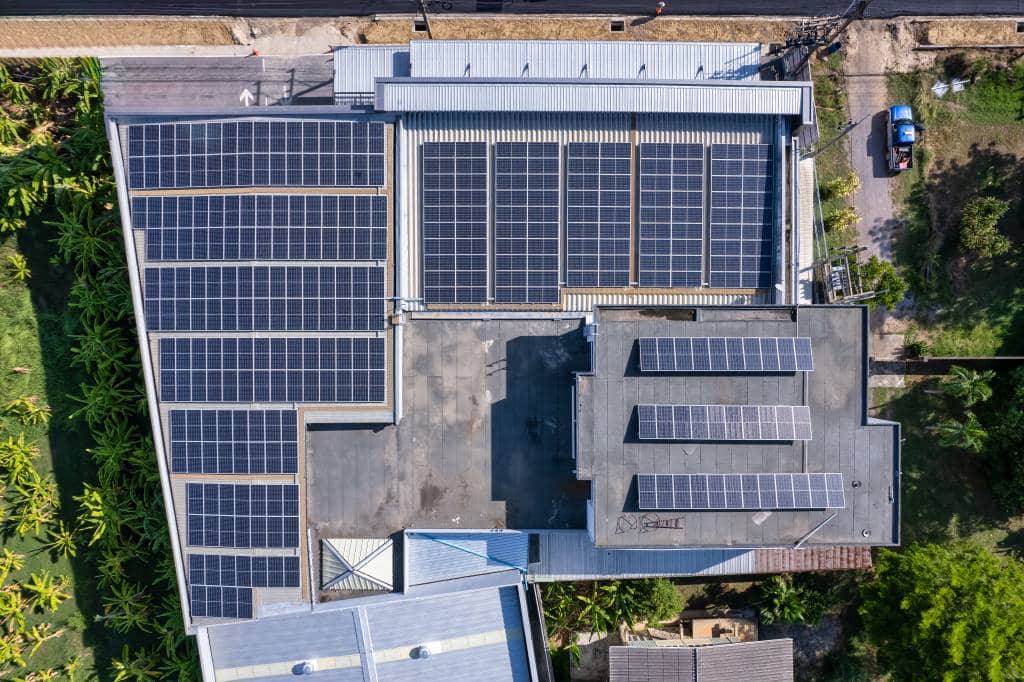
Ready to quantify the true cost of downtime?
Ariya Finergy helps businesses across East Africa quantify outage exposure and evaluate the financial case for going green. Contact us today for a facility assessment and discover how solar-plus-storage can reduce both energy costs and outage risk.