


Tl, dr: Power outages cost money. Electrical incidents cost lives. For factory owners across East Africa, switching to Commercial & Industrial (C&I) solar isn’t just an energy decision — it’s an operational one. A well-designed system is inherently stable, but stability isn’t the same as safety. At industrial scale, voltage levels are higher, systems are more complex, and the consequences of getting things wrong are quite serious. We have been noticing an increase in commercial operations with poorly installed and broken solar power systems. These are not only costly when they go wrong, but also dangerous. This guide covers what good solar safety looks like at every stage — installation, daily operations, maintenance, and emergency response so you know how to manage your installation and what to check with your EPC to ensure safe solar.
How do you ensure your solar installation will be safe?
Most solar incidents don’t happen in year three or four. They happen because something was missed at the start.
- Certified Engineering is Non-Negotiable: C&I systems operate at high voltages and connect directly into a facility’s existing power grid. The installation team must be certified to industrial electrical standards and familiar with local grid codes — this is what determines whether the system runs safely for the next 25 years. In Kenya, engineers must be licensed by the Energy and Petroleum Regulatory Authority (EPRA), with more advanced qualifications (tier 3) required for grid-tied and industrial solar set-ups.
- Every Roof Has a Load Limit: Before a single bracket goes up, a structural assessment must confirm the roof can carry both the dead weight of the array and wind pressure over decades. Skipping this is one of the most common and costliest mistakes in large-scale installations.
- Solar Joins Your Grid — It Doesn’t Replace It: Integration requires a careful review of switchgear, transformer capacity, and load distribution. Done right, it’s seamless. Done poorly, it creates overload risks, tripped breakers, and unplanned downtime.
- Grounding is Your Last Line of Defence: Proper grounding gives stray current a safe path to follow, protecting equipment, the building, and anyone on site. This is a design requirement, not an afterthought.
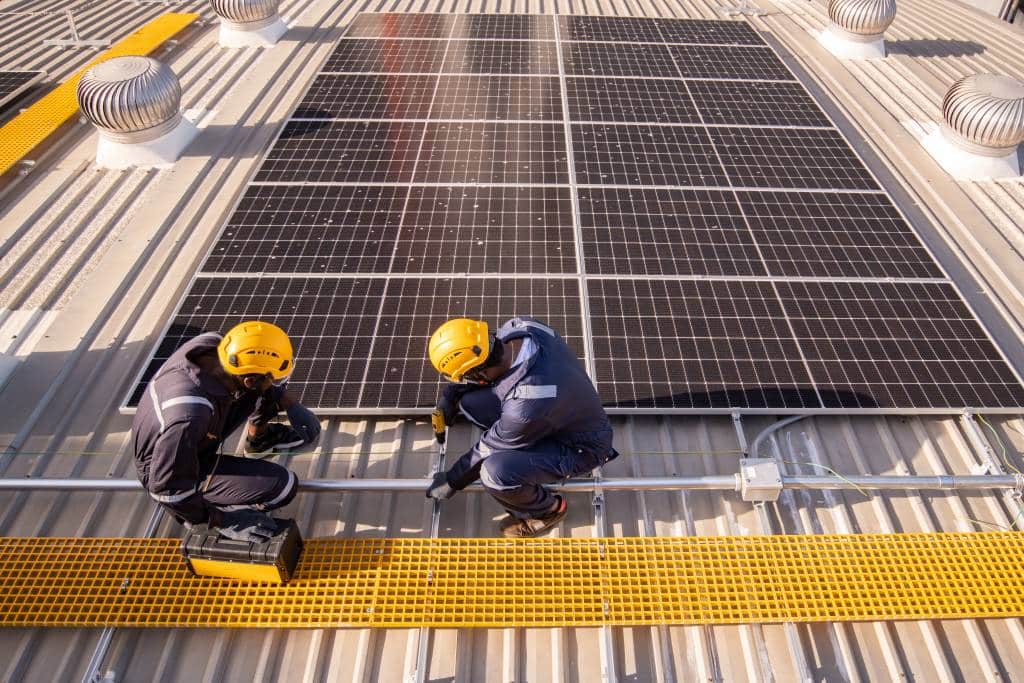
Operational Safety: How to run solar safely on a day-to-day basis
Once live, a solar system operates like a small power plant on your premises. These day-to-day habits keep it running safely.
- Give Inverters and Battery Units Room to Breathe: These units generate significant heat and must stay accessible for maintenance and emergency response. Stacking equipment or materials around them is a common mistake whicht traps heat, creates fire risk, and can block access when it matters most.
- Monitor Actively, Not Just Passively: Automated fault detection is useful, but facility managers need to know how to read their dashboard, what normal looks like, and when to escalate. A performance dip is often the first sign of a developing fault.
- Panel Cleaning is a Task for Professionals: Cleaning Solar Panels is a Job for Professionals: Working at height across large arrays carries real fall risk, and using the wrong cleaning method, like high-pressure water, can crack panels in ways you can’t see, silently reducing output over time. Schedule regular professional cleaning rather than treating it as routine maintenance anyone can handle.
Maintenance Safety: Between the Big Checks
Low-maintenance is not no-maintenance. Solar panels produce live high-voltage DC current the as long as light hits them.
- Only Qualified Technicians Should Touch the System: If something looks wrong, a fault code, an unusual noise, visible damage, llog it and call a professional. Don’t try to investigate it without professional help.
- Schedule Regular Technical Audits: A proper audit covers panel condition, thermal imaging of connections to catch hotspots early, and functional testing of grounding and protection systems. Proactive maintenance consistently saves more than it costs.
- Train Your Team to Recognize Warning Signs: Staff don’t need to be solar specialists or engineers, but they should know what to flag:
◦ Inverter fault codes or ground fault alerts on the monitoring system.
◦ Unusual humming, buzzing, or localised heat near electrical cabinets.
◦ Damaged conduit, exposed cabling, or physical impact on panels.
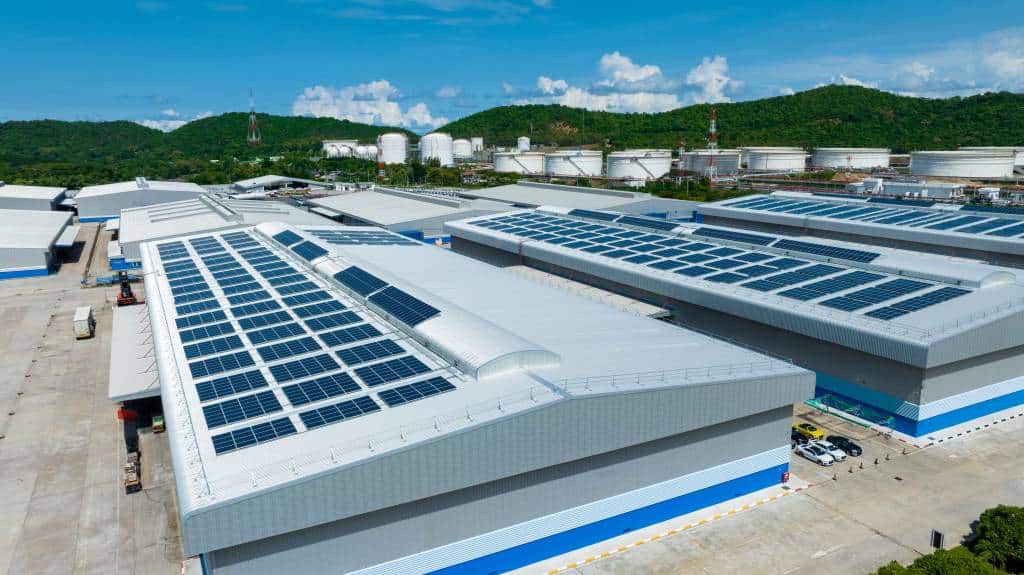
Fire Safety & Emergency Response: Know Before You Need It
Solar systems have an excellent safety record, but when something does go wrong, an active array fundamentally changes how emergency responders can approach the situation
- Know Your Disconnects: Every site needs clearly labelled AC and DC disconnect switches, and every safety officer must know where they are. The DC disconnect is a critical one because even with the grid off, panels produce voltage as long as there is daylight. Isolating the AC side alone is not enough.
- Brief Your Emergency Responders: Firefighters need to know immediately that a solar system is active. This changes their protocols — including isolating the array before putting out the fire. Make this part of every site emergency plan.
- Ask About Rapid Shutdown Technology: RSD technology drops voltage at the panel level within seconds, giving emergency crews a safe environment to work in. It’s worth ensuring any C&I installation includes this capability.
The businesses getting the most from their solar investments don’t treat safety as an afterthought — they treat the system as operational infrastructure, with proper commissioning, trained staff, scheduled maintenance, and clear emergency protocols. That discipline is precisely why their systems keep performing
Ariya Finergy builds every system to critical industrial infrastructure standards. If you’re planning a C&I solar project or want a professional eye on an existing system, talk to our team. Your investment should be built to last, perform, and stay safe for the long run.


