

COMMERCIAL SOLAR · KENYA
Commercial Solar & Battery Storage in Kenya
Solar PV, battery storage and power stabilisation for Kenyan industry.
Designed, built and maintained by our own Nairobi team, with KES 0 upfront options.
Solar built for Kenyan industry
Kenyan manufacturers, farms and logistics operators pay some of the highest commercial electricity costs in the region, and still lose production to outages and voltage dips. Kenya sits on the equator, with strong sunshine all year, so the roof of almost every factory, packhouse and warehouse can generate a large share of the power the site uses during the working day.
Ariya Finergy is a Nairobi-based solar EPC and technology company. Most of our 80+ commercial and industrial systems are in Kenya: textile mills in Thika and Nakuru, tea factories in Kericho and the Kaimosi Highlands, flower farms around Naivasha and Nanyuki, East Africa’s largest cold-storage campus at Tatu City, vehicle assembly in Nairobi and off-grid lodges in Tsavo and on the Lamu coast.
Every project is engineered around your real load profile. We size solar PV for self-consumption, add battery storage where outages or evening loads justify it, and integrate your generator and the Kenya Power supply under one controller, so the plant always runs on the cheapest power available.
What we deliver in Kenya
One partner from feasibility study to 24/7 monitoring, with our own engineers and construction crews on every site.
Rooftop & ground-mount solar PV
From 50 kWp packhouse roofs to multi-megawatt factory arrays, designed and built end to end by Ariya.
Battery energy storage
Lithium (LiFePO₄) storage that carries production through outages and evening peaks, and cuts generator fuel.
Power stabilisation
Voltage and power-factor correction that protects sensitive equipment from dips, surges and flicker.
EPRA, Kenya Power and net metering, handled
Commercial solar in Kenya is regulated by the Energy and Petroleum Regulatory Authority (EPRA), and grid-connected systems need Kenya Power’s approval before they can run in parallel with the grid. The Energy (Net-Metering) Regulations, 2024 also let qualifying systems below 1 MW export surplus power for credit.
Ariya manages the whole process: EPRA-compliant design and documentation, the Kenya Power interconnection, net-metering applications where they make sense, and county permits. After commissioning, our operations team monitors every system around the clock through the Vision Portal and keeps it performing for the life of the plant.
Ariya projects in Kenya

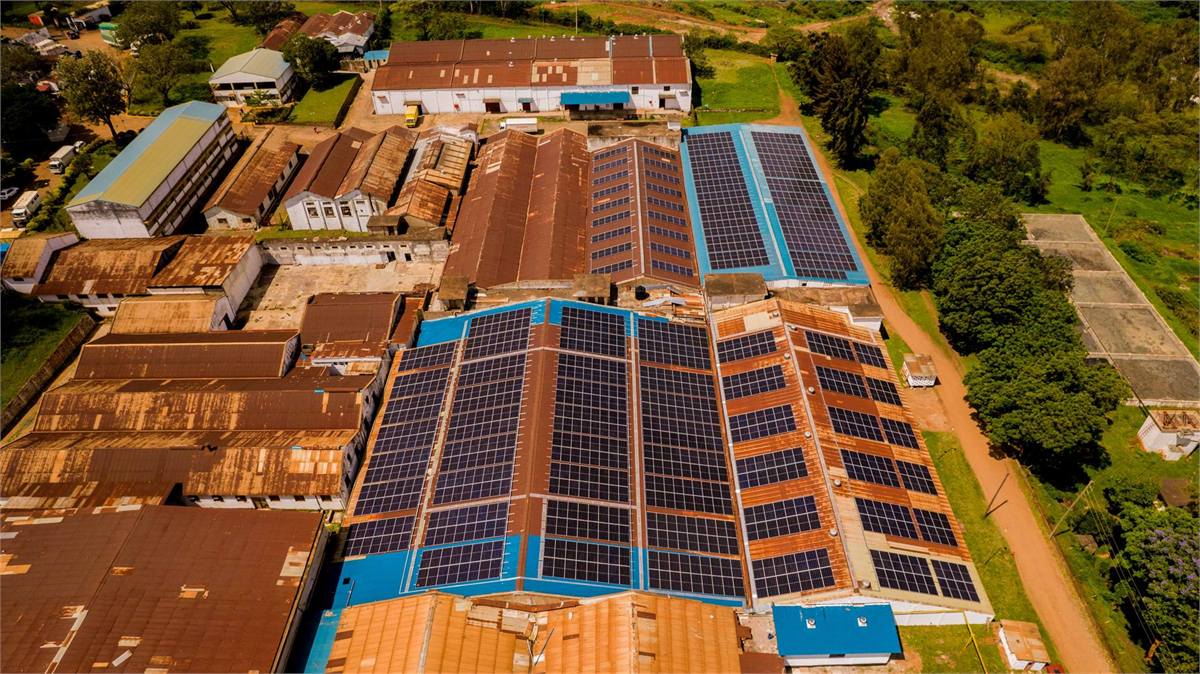
Thika Cloth Mills
2.6 MWp + 2.6 MWhHybrid solar and battery storage system for reliable power.
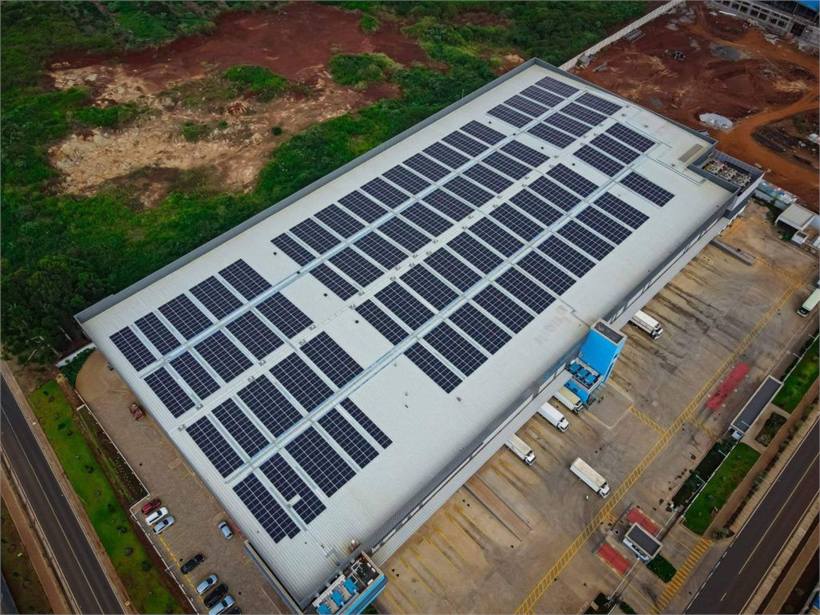
Cold Solutions
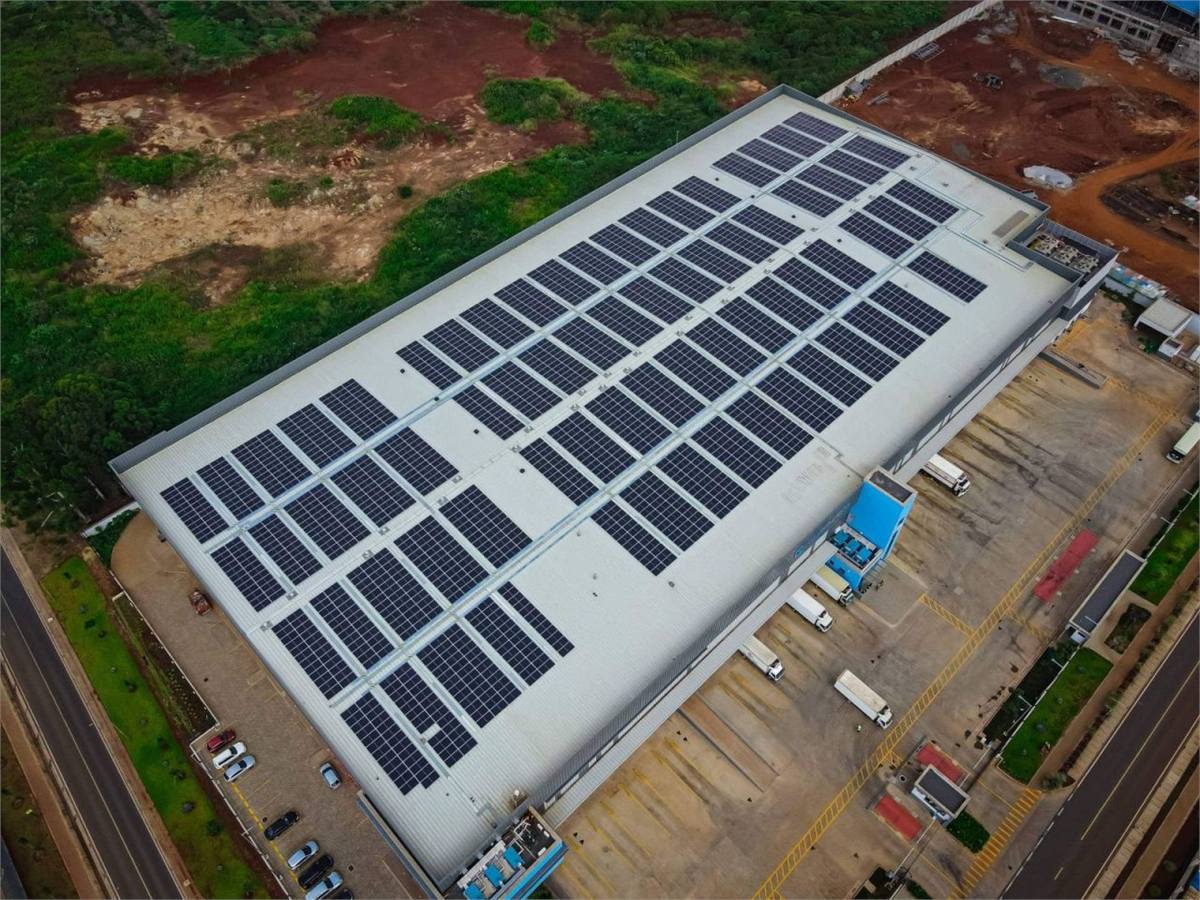
1.4 MWp rooftopEast Africa’s largest cold-storage campus, on sunshine.
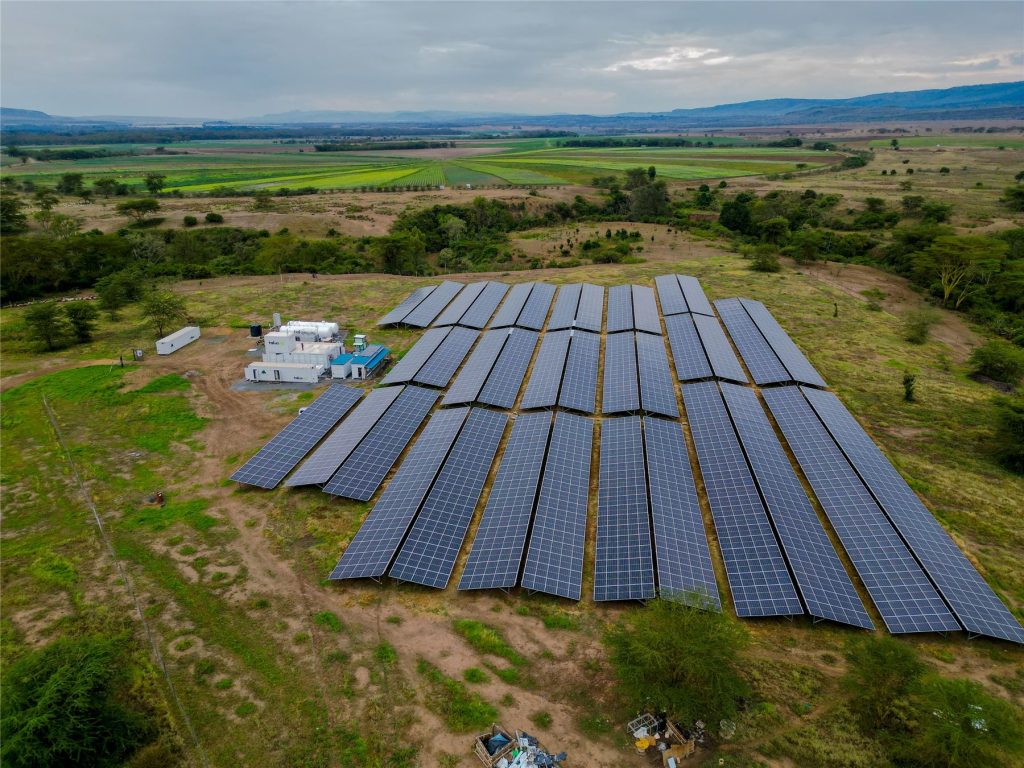
Talus Renewables
2.1 MWp + 764 kWhA hybrid AC + DC system running American-spec process equipment.
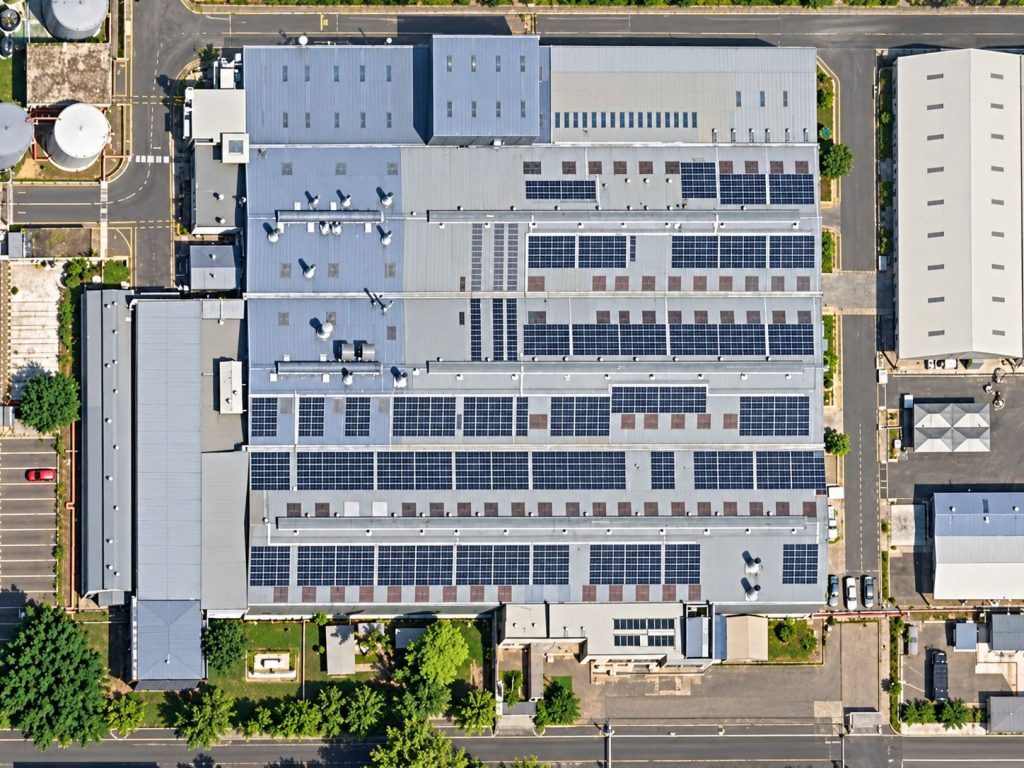
Isuzu East Africa
550 kWp rooftopThe region’s biggest vehicle assembler, assembling on solar.
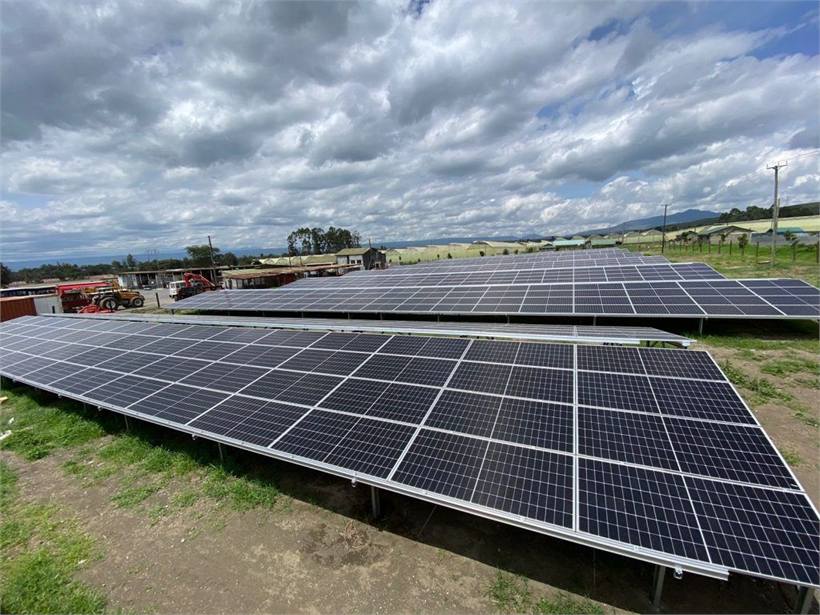
Flamingo Group
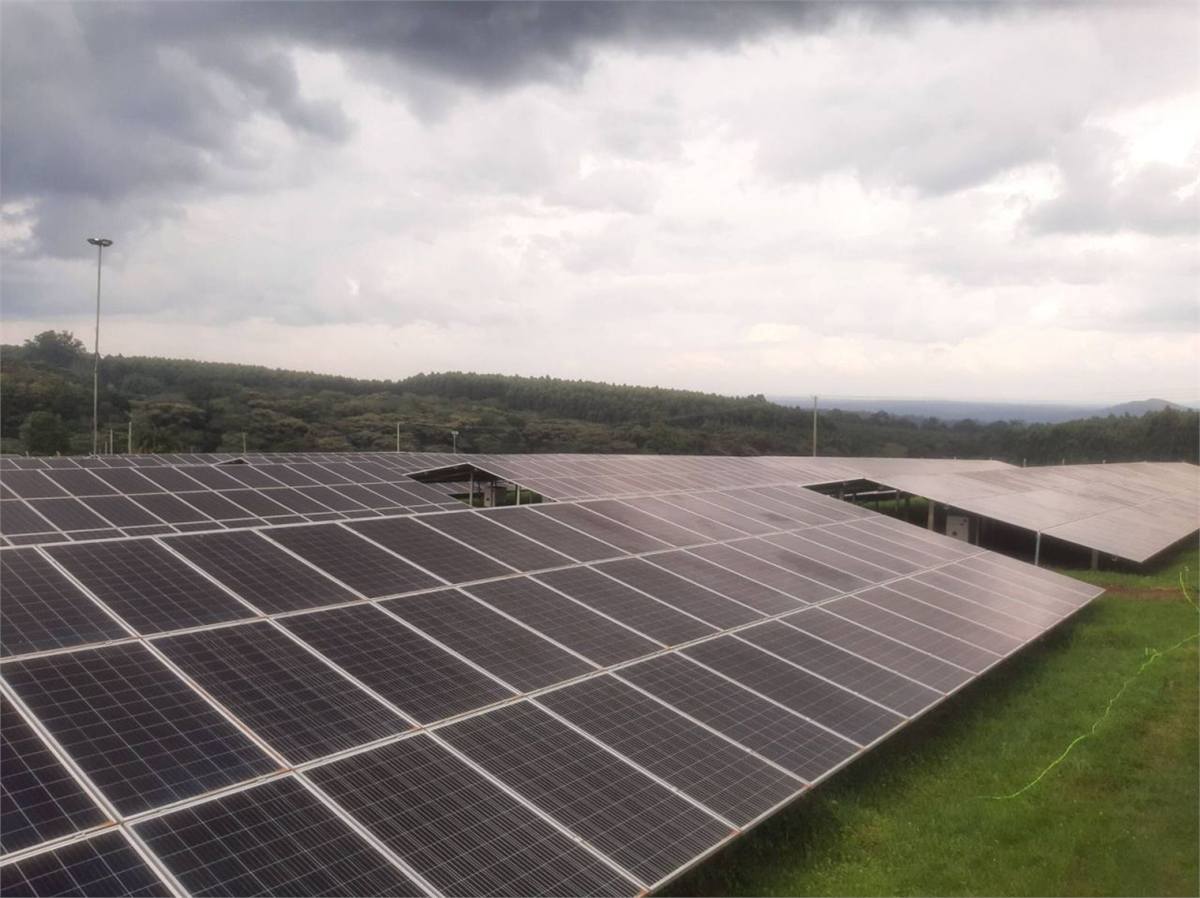
750 kWp ground-mountA twin-field ground-mount on rammed-pile foundations.
Finch Hattons
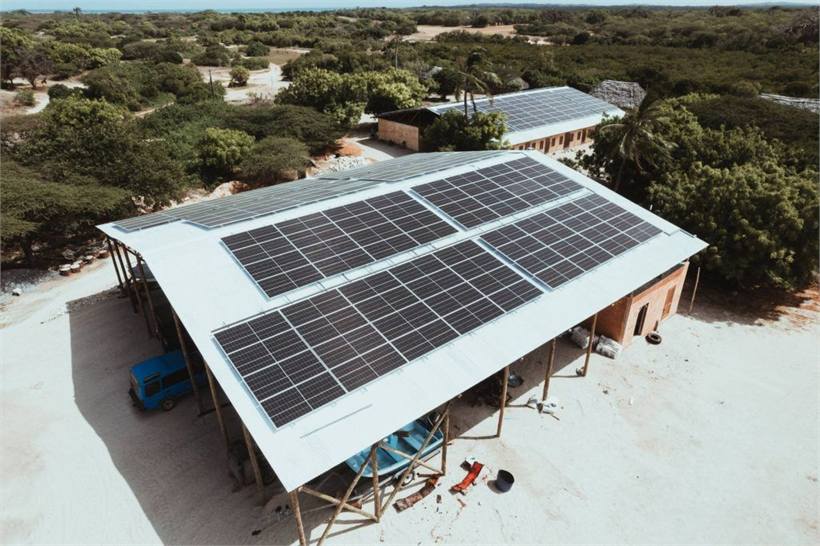
220 kWp + 432 kWhA gold-winning, fully off-grid luxury safari camp.
FAQ
Solar in Kenya: frequently asked questions
How much can a business in Kenya save with solar?
Most Ariya commercial clients cut their electricity bills by 30–60%. We model your actual Kenya Power bills and load profile before you commit, so the savings estimate is specific to your site.
Who handles EPRA and Kenya Power approvals?
Ariya does. We prepare the EPRA-compliant design and documentation, manage the Kenya Power interconnection and any net-metering application, and handle county permits.
Can I sell excess solar power back to Kenya Power?
Under the Energy (Net-Metering) Regulations, 2024, qualifying grid-connected systems below 1 MW can export surplus energy for credit. Most commercial systems are sized to use their own solar, and we advise whether net metering adds value for your site.
Do I need capital to install solar in Kenya?
No. Ariya offers power purchase agreements and leases from KES 0 upfront, or you can own the system outright from a 10% deposit.
How long does a commercial solar installation take in Kenya?
Typically 8–16 weeks from contract to commissioning, depending on system size, roof works and approvals.
Which industries does Ariya work with in Kenya?
Textiles, tea, floriculture, food and agro-processing, cold chain, automotive assembly, logistics and hospitality, including fully off-grid lodges.

