TL;DR: Deciding which financing option, namely a PPA, Lease or Capex, is optimal for your business can be a real challenge. For most commercial sites, the decision comes down to who owns the system, who carries performance risk, and how you want costs to show up on your books. Ariya Finergy offers turnkey solar energy solutions with financing options that can turn capex into predictable monthly payments, plus managed O&M and support for battery storage for backup and peak shaving. Below is our guide, based on our unique experience, to identifying the best option.
Quick comparison table
| Option | Who owns the system | How you pay | What it suits best | Main tradeoffs to watch |
|---|---|---|---|---|
| Capex purchase | You | Upfront capex, then O&M | Sites with budget, stable operations, and long planning horizon | You carry performance and O&M risk unless you contract managed O&M (which Ariya Finergy can provide); integration mistakes become your problem |
| Solar lease | Usually the lessor during term, you at end of term | Fixed monthly payment | Teams that want a predictable cost line and simpler approvals | Terms and handover details matter; you still need clear responsibilities for uptime, spares, and site electrical constraints |
| Solar PPA | PPA provider | Pay per kWh consumed | Sites that want to reduce diesel and grid exposure to make savings with minimal upfront spend | PPA contract quality matters; metering, curtailment, and availability definitions can create surprises if not written clearly |
What is solar financing?
One of the most common objections to industrial solar we see at Ariya Finergy is ‘We don’t have the money for solar right now’. This is understandable: Solar technology can seem expensive, particularly when combined with the prospect of pausing operations for its installation. Fortunately, Ariya Finergy offers solutions to both challenges, offering flexible financing operations and seamless installation of solar to ensure your business stays cash-flow positive throughout the transition. That’s what solar financing offers, but which financing option is right for you? Without finance experts like those at Ariya Finergy, it can be easy to go with an option that doesn’t suit your business.
Ariya Finergy sees projects stall when teams compare only monthly payment numbers and ignore three practical risks: unclear responsibility for uptime, unclear responsibility for electrical upgrades, and weak long-term support when inverters (electronic devices that convert the DC electricity from the panels into AC electricity needed for your machinery), protection settings, or batteries need service.
Capex purchase for commercial solar
Capex is straightforward on paper: you buy the system, you own it, and you decide how it is run. It can fit sites that have internal engineering capacity and want full control over the asset.
In practice, capex works best when you also plan for long-term performance. That means budgeting for spares, cleaning, inspections, and protection testing, or contracting it as managed O&M.
Where capex is strongest
-
Control: You control operating settings, maintenance timing, and any future expansion.
-
Integration flexibility: You can align the solar design with your switchboard, generator controls, and process constraints.
-
Long horizon: If you expect to stay at the site for many years, ownership can simplify long-term planning.
Capex risks that cause hidden costs
-
Electrical scope creep: If your existing electrical equipment needs upgrades, that can blow up budgets unless defined early.
-
Performance risk stays with you: If the EPC hands over and you do not have strong O&M, output drops quietly over time.
-
Battery decisions get delayed: Many sites buy PV first, then later discover they needed power stabilization, backup, or peak shaving. Retrofitting can cost more and disrupt operations.
If you are buying, treat design and O&M as part of the same decision. Ariya Finergy builds projects as turnkey systems and can keep the asset performing through managed O&M.
Power Lease Agreement for commercial and industrial sites
A lease is usually a fixed monthly payment for the system over a set term. It is popular with teams that want predictable energy cost behavior and a cleaner approval path than full capex.
The main lease question is not the payment. It is the scope: who pays for roof reinforcement, trenching, switchgear upgrades, protection coordination studies, and the controls work needed to keep generators and solar stable together.
Where a lease tends to fit well
-
Hotels and commercial sites: If your main goal is to cut grid spend and smooth cash flow, fixed payments can be easier to plan.
-
Multi-site operators: If you roll out solar across branches, leases can standardize budgets and reporting.
-
Teams that want less asset management: Depending on the contract, the lessor may take more maintenance responsibility.
Lease terms to check before you sign
-
Uptime and response times: If your business loses money during outages, define availability clearly and make sure there is local service capacity.
-
What happens at end of term: Handover condition, buyout rules, and remaining warranty handling should be explicit.
-
Change control: If you add a new chiller, process line, or EV charging later, confirm how system modifications are priced and approved.
Ariya Finergy often sees lease deals fail when the solar system is treated like a simple rooftop add-on. For production sites, generator sync, power quality, and protection settings need real engineering, not paperwork.
Solar PPA for factories and large commercial loads
A power purchase agreement (PPA) is a contract where a provider owns and operates the system and you pay for energy produced and consumed, usually in kWh. It can reduce upfront spend and shift more performance risk to the provider.
For East African industrial sites with diesel exposure, PPAs can work when the contract matches operations. If your plant must run through grid dips, brownouts, and generator transfers, the PPA must define how the system behaves during those events.
Where a PPA is strongest
-
Capex constraints: You can start reducing diesel and grid spend without a large upfront outlay.
-
Provider accountability: The provider has a reason to keep the system producing if their revenue depends on kWh.
-
Faster decision cycles: Some firms can approve a supply contract faster than a capital project.
PPA clauses that change outcomes on site
-
Metering and settlement: Confirm meter location, treatment of export, and how downtime is measured.
-
Curtailment rules: If your site can only accept limited solar at certain times, define curtailment and who bears the cost.
-
Ops boundaries: If an inverter trips due to upstream voltage issues, clarify whether that is force majeure, site fault, or provider responsibility.
Some buyers assume a PPA always means guaranteed uptime. It does not unless it is written and engineered for your operating modes. Ariya Finergy designs solar plus storage and controls so backup and peak shaving are not afterthoughts.
How can Ariya Finergy solve your solar financing problems?
Ariya Finergy works as a commercial and industrial solar EPC with end-to-end delivery. That includes design, procurement, installation, commissioning, financing options, and long-term support in Kenya, Uganda, and Tanzania with local teams.
For many buyers, the cleanest middle path is ownership with a financed payment plan. Ariya Finergy provides affordable solar finance for your business so capex can convert into predictable monthly payments while you keep control of the asset.
Why Ariya Finergy is more than an average Solar EPC company
-
Production-first design: Ariya Finergy sizes and controls systems around production-critical loads, not only annual kWh totals.
-
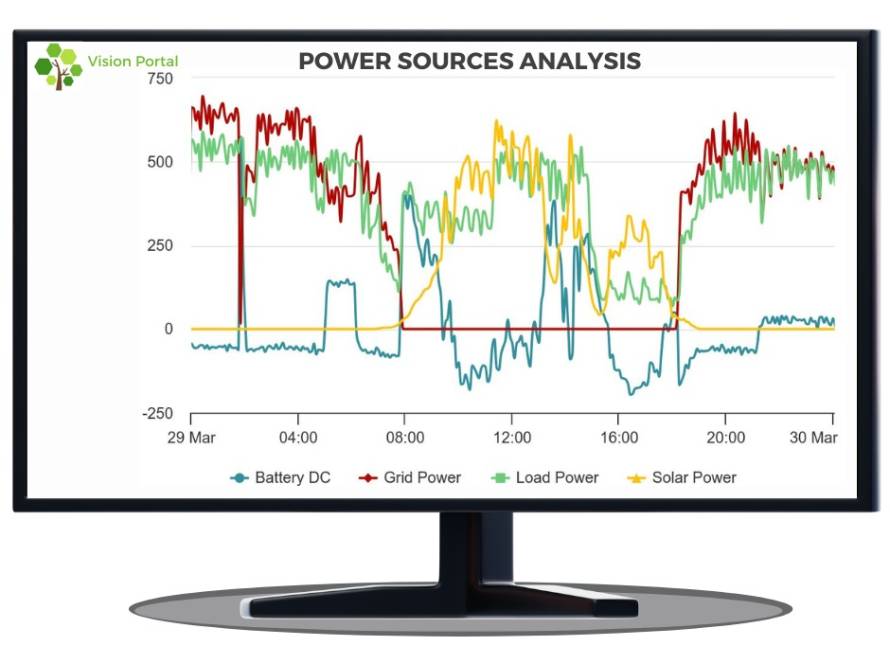
Power stabilization and storage readiness: Where the site needs it, Ariya Finergy includes battery storage and power stabilization with our innovative ‘vision controller’, thinking early for backup and peak shaving.
-
Long-term service plan: Managed O&M is planned from day one, so uptime targets are supported by inspections, reporting, and response workflows. Ariya Finergy builds quality systems in the knowledge we are responsible for maintaining them.
If you need a grounding step before comparing offers, start with site readiness. Ariya Finergy uses a practical checklist similar to what is outlined in Is Your Business Solar Ready 5 Signs Its Time To Switch To Solar Power.
Practical examples of solar financing in East Africa
Capex or PPA for a Uganda manufacturing site
Manufacturing sites in Uganda typically care about three things: uptime, stable power for motors and drives, and cost control when the grid misbehaves. If your process is sensitive, the delivery model should reward fast fault response and clear accountability.
Capex can fit if you have budget and you want tight operational control, but only if you pair it with managed O&M and strong integration engineering. A PPA can fit if you want to shift performance risk, but you should treat the contract as an operations document, not a finance document.
Ariya Finergy often recommends a financed ownership structure when clients want predictable monthly payments while retaining full control over their energy system and future expansion. That keeps accountability close to the plant engineering team while reducing capex shock.
Power Lease Agreement vs PPA for a hotel in Dar es Salaam
Hotels tend to have daytime loads that match solar well, plus guest comfort expectations that punish downtime. A lease can be simpler if you want a fixed payment and a clear handover path at end of term.
A PPA can work when you want payments tied to energy delivered and you prefer the provider to carry more performance responsibility. For either model, check how the system handles grid drops and generator start events, because nuisance trips show up as guest complaints fast.
Ariya Finergy scopes hotel projects with a focus on predictable energy cost and serviceability. If your site has critical loads like kitchens, laundry, lifts, or data systems, ask early about backup and peak shaving with storage, even if you phase it later.
Is a solar PPA better than buying for a factory in Nairobi?
For factories, the question is usually less about which is “better” and more about who carries risk for uptime and integration. If you buy, you own the upside and you own the troubleshooting unless you put strong managed O&M in place.
If you sign a PPA, you can reduce upfront spend and shift part of performance risk, but only if the contract defines availability, curtailment, and responsibility during upstream grid issues. Ariya Finergy helps factory teams evaluate their financing options using their site’s electrical infrastructure, load profile, and operational requirements before selecting the right commercial model
FAQs
What is the practical difference between a solar lease and a solar PPA?
The difference matters because it changes what you are paying for and how performance risk is handled. A solar lease is usually a fixed payment for the equipment, while a PPA charges per kWh produced, so the provider has direct revenue tied to energy output. Ariya Finergy advises buyers to compare the contracts using the same uptime, metering, and site responsibility checklist, because the payment label does not prevent hidden scope gaps.
How do I avoid hidden costs when comparing solar offers in Kenya, Uganda, or Tanzania?
Hidden costs usually come from exclusions that only appear after site work begins. Ariya Finergy pushes for a responsibility matrix that states who covers civil works, electrical upgrades, trenching, permits, and any shutdown coordination. If a bidder will not put those items in writing, you do not have a real price to compare.
Who handles operations and maintenance in a PPA or lease, and what should the SLA include?
This matters because downtime is where solar savings disappear and disputes start. In many PPAs and some leases, the provider handles O&M, but you still need an SLA that defines availability, response times, reporting, and who supplies spares. Ariya Finergy offers managed O&M so performance expectations are backed by a service plan and local teams.
If I want predictable monthly payments but I also want to own the system, what are my options?
This matters for finance approvals because many firms prefer operating-like monthly payments without giving up asset control. Ariya Finergy provides financing options that can convert capex into predictable monthly payments while you own the system. Start by sharing your load profile and site constraints so the financed design matches how the plant actually runs.
Is Solar PPA or lease financing halal, or does it count as interest-bearing debt?
This matters because many business owners want financing that fits their values as well as their budget, and “isn’t this just another loan?” is a fair question. A solar PPA or lease is structured differently from conventional debt: with a PPA you are paying for energy actually delivered, and with a lease you are paying for use of equipment, not repaying a loan with interest (riba) attached to it. That structural difference is why many businesses across East Africa treat these as service or rental arrangements rather than financing in the interest-bearing sense. That said, Ariya Finergy is not a Sharia authority, and details like penalty clauses, buyout pricing, or how a specific bank packages the payment plan can matter, so we recommend having your own Sharia advisor review the final contract terms for your business before you sign.
How to decide based on risk, control, and uptime
Choose the structure that matches your risk tolerance and how critical power is to your operations. If you want maximum control and you can manage the asset well, capex plus managed O&M are a good fit. If you want to reduce upfront spend and push more performance risk to the provider, a PPA is a better option, but only with clear availability and metering terms.
If your goal is a predictable energy cost without giving up control of integration and future expansions, ask Ariya Finergy about turnkey delivery with financing options and a long-term service plan. Contact us today to get a free site assessment and discuss the best options for your business.
References