Tl, dr: You would not be alone in wondering ‘How will sustainability regulations affect my export business?” Well, environmental, social and governance (ESG) sustainability is no longer a branding exercise; it is becoming a structural requirement for participating in global supply chains. What was once considered a corporate social responsibility (CSR) initiative is now embedded in procurement standards, trade regulations, and financial risk assessments. For East African businesses, the choice may soon become go green, or go bust.
Across East Africa, Ariya Finergy is seeing this shift accelerate. Industrial producers, agribusinesses, and exporters are being asked not only what they produce, but how they produce power. Energy sourcing, particularly the carbon intensity and reliability of power, is becoming a critical component of commercial competitiveness.
For Ugandan manufacturers, Kenyan tea processors, Tanzanian cold-chain operators, and Sudanese flower exporters, global buyers are increasingly evaluating the energy carbon footprint of production alongside price, quality, and delivery reliability. Multinational companies are now working to decarbonize their entire value chains, meaning suppliers must also demonstrate measurable emissions reductions.
Below are four structural forces driving this sustainable energy shift, and why integrated energy systems are becoming a strategic business asset.
1. Supply Chain Decarbonization Is Moving Upstream
Many multinational companies have committed to Net Zero targets, but most emissions occur in Scope 3 supply chains, not their own operations. For firms like Apple, Unilever, and IKEA, these emissions can account for 70–90% of their total footprint. As a result, suppliers are increasingly required to disclose energy sources and decarbonization plans. Businesses relying on diesel or carbon-intensive power risk becoming higher-emission suppliers, making on-site solar generation an important step toward meeting procurement expectations.
2. New “Carbon Taxes” in Europe
Climate policy is beginning to influence global trade. The EU’s Carbon Border Adjustment Mechanism (CBAM) introduces carbon pricing for imports in sectors like steel, cement, aluminum, fertilizers, electricity, and hydrogen. While currently limited to heavy industry, it signals a broader trend: embedded carbon is becoming a measurable trade cost.
- The result: If you use diesel or “dirty” grid power, your products become more expensive for your buyer.
- The solution: By switching to solar energy, you protect your margins and stay competitive in a changing market. Ariya Finergy helps businesses navigate these new regulations by installing high-performance solar systems that provide the ‘green proof’ your European buyers now demand
3. How does reliable energy comprise part of business strategy?
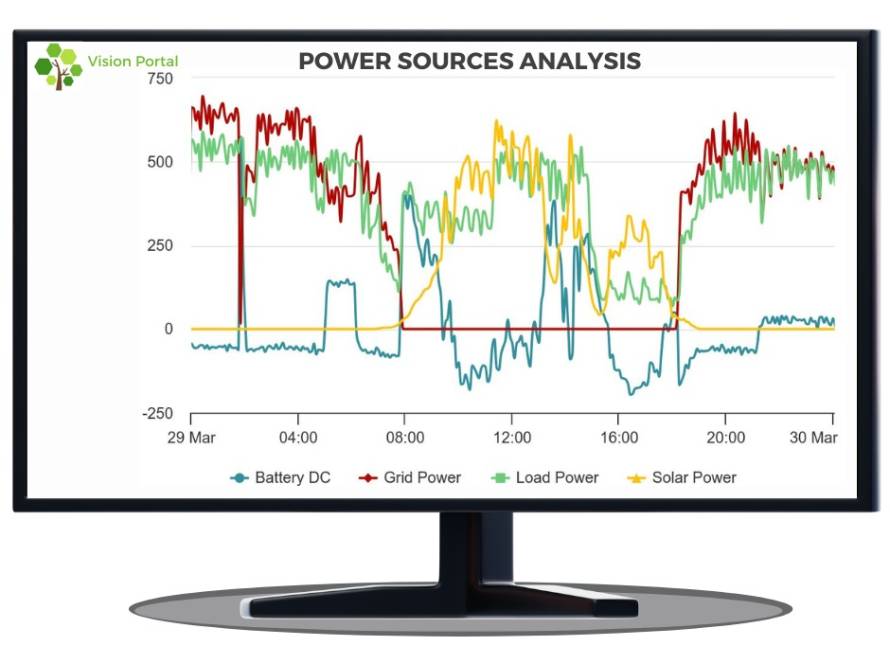
For export-oriented industries, power reliability is critical to operational performance. Grid interruptions, voltage fluctuations, and peak demand constraints can disrupt production and damage sensitive equipment. Hybrid energy systems offer a solution. By integrating solar generation, battery storage, and intelligent power management, facilities can stabilize power supply and reduce reliance on grid variability. Proper system design based on load profiling and production cycles helps ensure energy infrastructure supports continuous, reliable operations.
4. Stable Prices for Years to Come
Energy price volatility can create significant uncertainty for industrial operators. Diesel costs fluctuate with global oil markets, while grid tariffs may rise due to fuel prices or infrastructure investments.
Solar generation changes this dynamic. Once installed, systems operate with low marginal generation costs and are typically designed for 25-year lifespans. This allows businesses to shift part of their energy consumption to predictable long-term pricing, improving cost visibility and protecting margins in competitive export markets.
In today’s global marketplace, energy strategy is becoming inseparable from corporate reputation. As procurement standards evolve and supply chains move toward lower-carbon operations, businesses must demonstrate how their production is powered—not just what they produce. Companies that proactively modernize their energy infrastructure gain a clear advantage in reliability, cost stability, and sustainability performance.
Ariya Finergy works with industrial and export-oriented businesses to design integrated solar and power stabilization systems that strengthen operations while reducing emissions. If your organization is evaluating how energy impacts competitiveness, resilience, and future compliance, now is the time to start the conversation with Ariya Finergy.